About Addo Dung Beetle
Get away from city life for a weekend and enjoy a stay on a working citrus farm
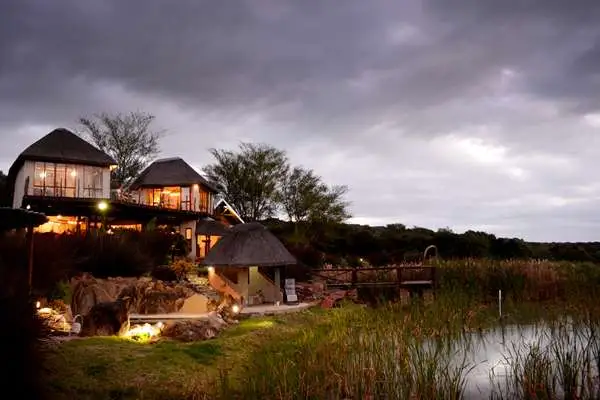
Addo Dung Beetle Guest Farm is nestled on a mountain-top in the heart of the Sundays River Valley overlooking the beautiful Zuurberg Mountains. The four chalets and three bush rustic cabins and 4 inspired Dung Beetle Suites are found on a working citrus farm only 7 km away from the main gate of the Addo Elephant National Park.
We always strive to add to the comfort of your stay at Addo Dung Beetle Guest farm.
The climate is hot in summer and winter is mild, with occasional snow on high lying areas. We experience summer rainfall and dry winters but are a Malaria free area.
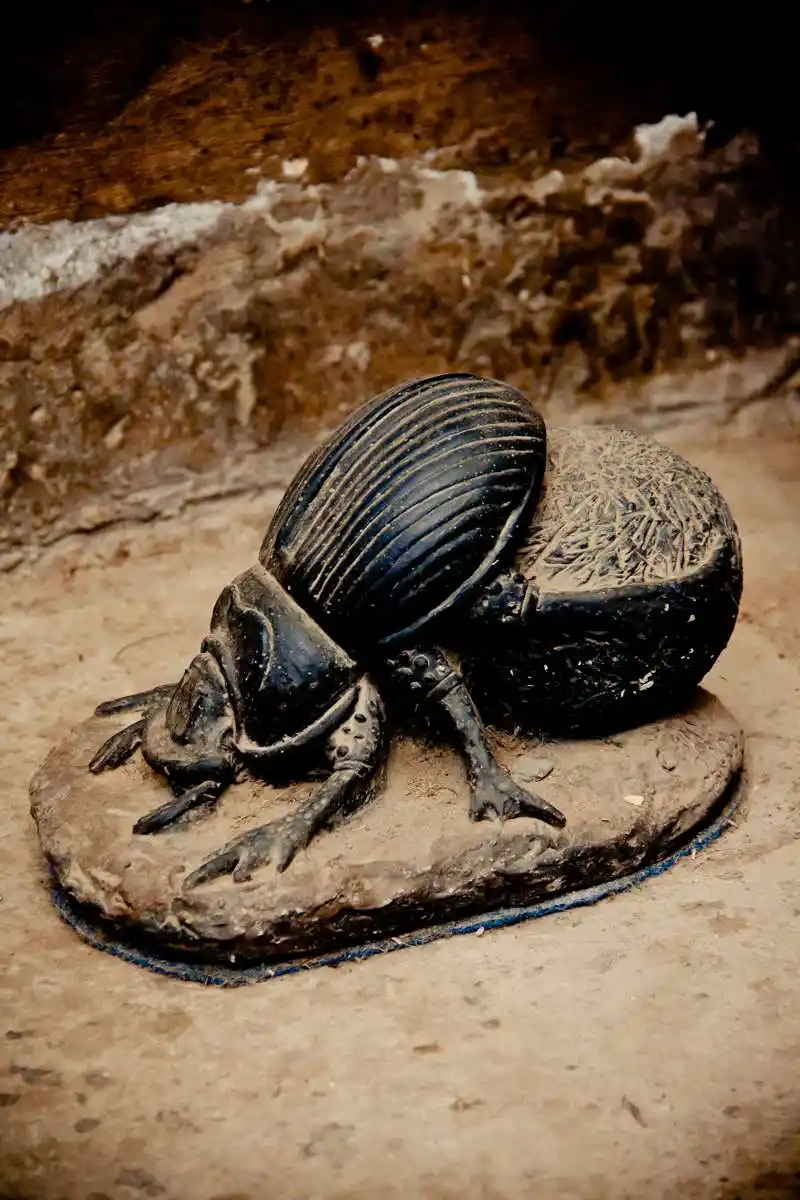
“Miskruier” (Afrikaans for Dung Beetle) the name of our working Citrus farm is a name that was decided upon years ago when the Farm was established. The idea behind the name was to save this special flightless Dung Beetle.
Addo Dung Beetle Guest Farm is situated 7 km from the Main Gate of the Addo Elephant National Park on a working Citrus Farm.
The Citrus part of the Farm is approximately 350ha citrus farm with an estimated 151 000 individual trees. One fact about the citrus farm: The highly productive commercial citrus farm exports about 14 varieties to approximately 60 countries worldwide.
Read more below
Background History of the Area
In the 1700s, the area already had a reputation for a wide variety of wild life, and ivory hunters would come to hunt elephants. In 1893, this area was known as Swanepoelskraal, and measured 1799 ha. Records show that Khoisan clans who hunted and kept cattle used to live in this area. The clans died out because of the smallpox epidemic. They were followed by the Xhosa tribes who lived close to the Sundays River Mouth, extending to the Wit River.
As years passed, elephants became an endangered species and in 1931 the Addo Elephant National Park was opened. The park started off with 2000 ha and housed the last 11 elephants that were left after ivory hunting had taken its toll.
85 years later, the park has grown to 180 000 ha, hosting 600 elephants and the only Big Seven park in the world (Lion, Leopard, Elephant, Rhino, Buffalo, Great White Shark and the Southern Right Whale).